
Buying a home with a septic system in Cherokee, Cobb, Bartow, or the surrounding North Georgia counties is not inherently more complicated than buying a home connected to municipal sewer. What it requires is informed due diligence — and most buyers, their agents, and even many home inspectors don’t approach septic systems with the specific knowledge that protects the buyer from inheriting a significant problem.
Metro Septic and Plumbing has served homeowners throughout Cartersville, Kennesaw, Marietta, Acworth, Canton, Woodstock, Smyrna, Rome, and the greater Atlanta metro area for years. The calls that are hardest to receive are the ones from new homeowners who closed on a property six months ago and are now facing a septic failure they could have caught — or at least priced — before closing.
Why the Standard Home Inspection Isn’t Enough
Most general home inspectors are qualified to evaluate the structure, electrical, plumbing connections, HVAC, and roof of a property. Septic systems — specifically the tank condition, the drain field condition, and the adequacy of the system for the home’s size and use — require specialized evaluation that a general home inspection doesn’t provide.
A general inspector may run water in the home and confirm that drains are flowing. This confirms that the tank is accepting waste — it tells nothing about tank condition, sludge and scum levels, the integrity of the inlet and outlet baffles, or the condition of the drain field that actually treats the wastewater.
A failing drain field can appear completely functional during an inspection and fail within months of purchase as the biomat that has been developing on the drain field trenches reaches a tipping point. This isn’t uncommon — and it’s expensive. Drain field replacement in North Georgia typically runs $5,000 to $15,000 or more depending on soil conditions, lot size, and the extent of the system.
What a Dedicated Septic Inspection Involves
A proper pre-purchase septic inspection — performed by a licensed septic professional — includes the following:
- Tank location and access: Identifying and exposing the access lids to perform a visual inspection of the interior. This is not always straightforward on older properties where risers haven’t been added to bring the lids to the surface.
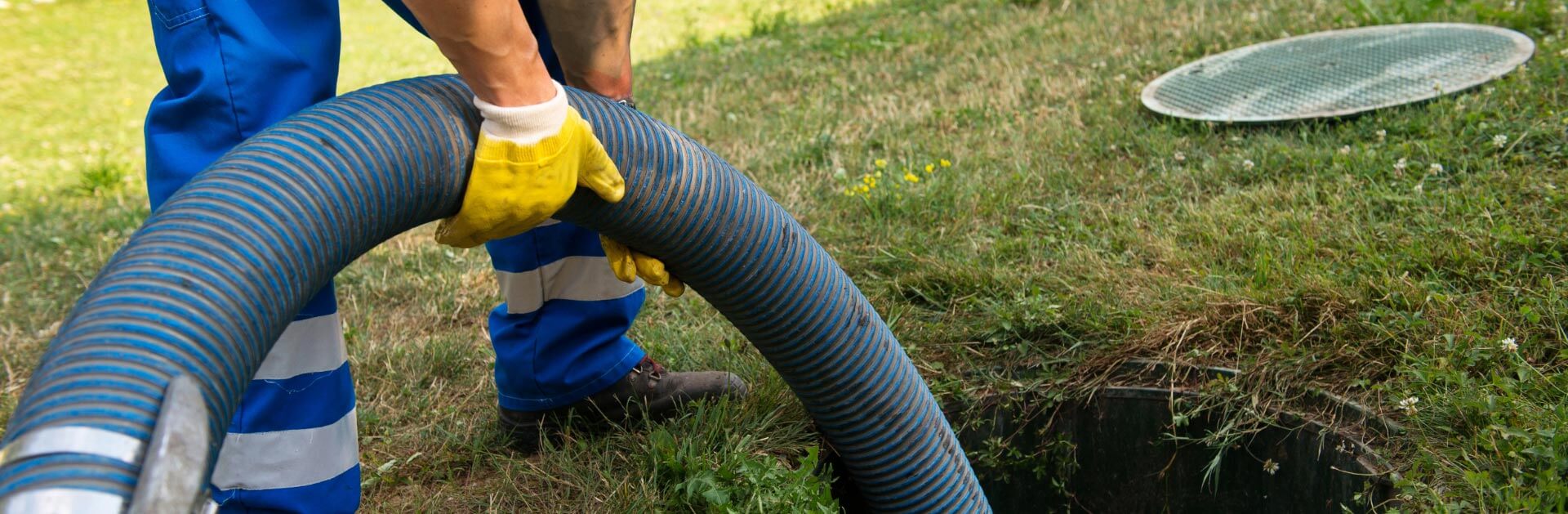
- Tank pumping and interior inspection: Pumping the tank provides access to inspect the interior walls, the inlet and outlet baffles, and the overall structural condition. A tank with significant cracks, damaged baffles, or compromised structural integrity will require repair or replacement.
- Sludge and scum measurement: The accumulation of solids in the tank indicates how frequently it’s been pumped. A severely overfull tank may have been sending solids into the drain field — which can clog and damage the drain field even if it’s performing adequately on inspection day.
- Drain field evaluation: This includes a visual inspection of the drain field area (looking for soggy ground, odors, or surfacing effluent that indicates failure), and where indicated, a hydraulic load test — running a measured amount of water through the system to see how the drain field handles a realistic use load.
Negotiating Based on Inspection Findings
A septic inspection that reveals no significant issues gives the buyer confidence and the seller nothing to negotiate. An inspection that reveals needed repairs — a cracked tank, a failing baffle, a drain field under stress — creates a negotiating point: the buyer can request that specific repairs be completed before closing, ask for a price reduction that covers the estimated repair cost, or choose to walk away from a property whose septic system represents a financial liability that the purchase price doesn’t reflect.
Without a dedicated septic inspection, the buyer doesn’t know which of these situations they’re in until after closing — when the options narrow significantly.
Schedule a Pre-Purchase Septic Inspection With Metro Septic
Metro Septic and Plumbing serves homeowners and buyers throughout North Georgia 24 hours a day, 7 days a week. The pre-purchase inspection timeline is tight in most real estate transactions — scheduling promptly after the inspection contingency period opens is the way to ensure the results are available before the deadline. Call (678) 873-7934. The septic system you inherit is the one you pay to maintain or repair. Knowing what you’re inheriting before closing is the most useful thing this call can produce.
What to Look for on the Property Disclosure
Most Georgia real estate transactions include a seller property disclosure that asks about the septic system. The questions typically cover whether the seller is aware of any known defects, when the system was last pumped, and the approximate location of the tank and drain field.
What sellers may not disclose — either because they don’t know it or because the question isn’t asked — is the age of the system, its permitted capacity relative to the size of the home, whether any modifications or repairs have been made, and whether the drain field has ever been replaced or expanded.
A disclosure that simply says “no known issues” tells the buyer that the seller isn’t aware of a problem — not that no problem exists. Many sellers have never had a professional inspection and genuinely don’t know the condition of the system they’ve been using. The pre-purchase inspection fills that information gap.
The Age and Capacity Considerations
Septic systems in North Georgia built before 1990 may predate current design and soil standards. An older system that has been functioning doesn’t mean a functioning system — it means a functioning system under the historical load. If the home is being purchased for a larger family than the prior owner, or if additions or accessory dwelling units are planned, the system’s permitted capacity becomes a critical factor.
Metro Septic’s inspection includes a review of available records and a capacity assessment that helps buyers understand whether the system is appropriately sized for their intended use. A system permitted for a three-bedroom home being sold to a family of six is worth knowing about before closing.
Metro Septic and Plumbing’s 24/7 availability, flat-rate pricing, and deep knowledge of North Georgia’s soil conditions and permitting history make the pre-purchase inspection one of the most useful calls a North Georgia homebuyer can make before closing. Call (678) 873-7934 to schedule your inspection. The information costs significantly less than the repair it prevents.