
Nobody thinks about their septic system until they have to. That’s a reasonable approach to most home systems — but it’s the one that produces the most expensive outcomes when it comes to septic. The homeowners who schedule maintenance proactively are the ones who have short, predictable service calls. The ones who wait until something is obviously wrong are the ones having extended, expensive conversations about drain field repair.
Fall is the one season in North Georgia where the stars align for septic maintenance — and most homeowners don’t realize it until it’s pointed out to them.
Metro Septic has been serving Cartersville, Kennesaw, Marietta, Canton, Woodstock, Acworth, and the greater Atlanta metro area since 2005. As a family-owned company with over 25 years of combined technician experience, the team has a clear view of when septic problems tend to peak — and a consistent message for why the September through November window is the best time to stay ahead of them.
Why Ground Conditions Matter for Septic Maintenance
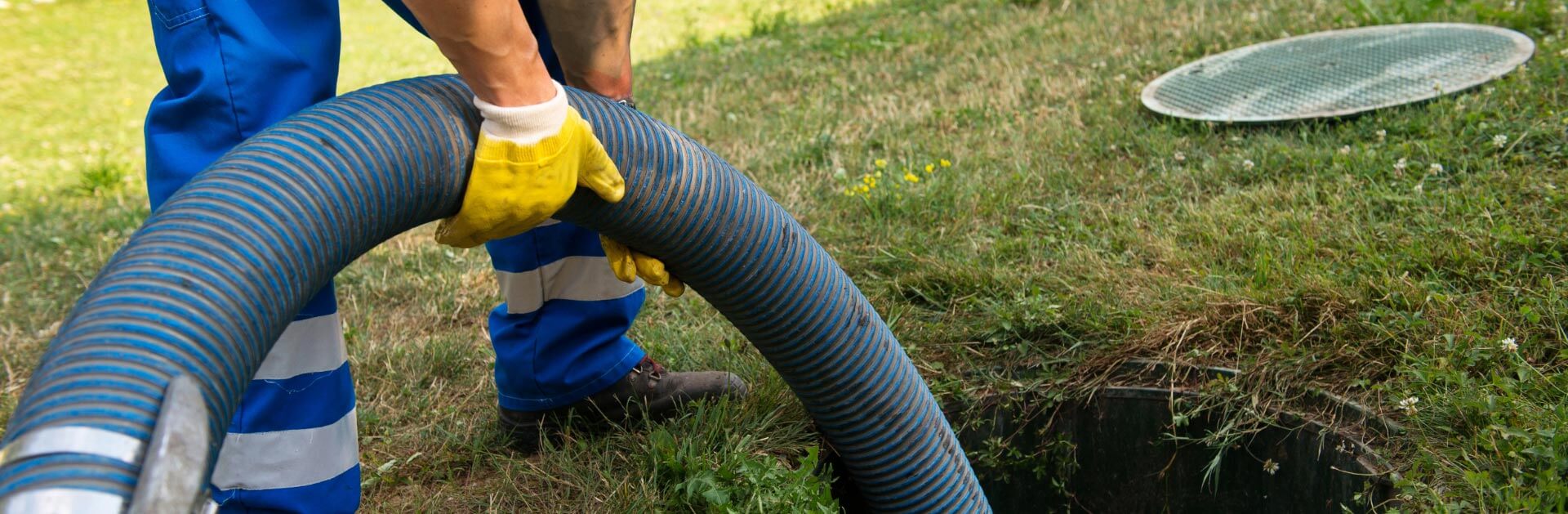
Septic tank pumping and inspection require accessing the tank, which means working with the soil above it. In the heat of a Georgia summer, the ground around septic tanks is often baked hard — compacted clay soil that makes digging difficult and can obscure the surface indicators technicians look for when assessing drain field condition. In the dead of winter, frozen or saturated ground creates similar access complications.
Fall’s moderate temperatures and typically lower moisture levels create the most favorable conditions for thorough tank access, inspection, and pumping. The ground is workable, the tank is accessible, and the technician can see and evaluate the drain field area without summer heat or winter saturation complicating the assessment.
For homeowners who have been meaning to schedule service and looking for the right time — this is it.
The Holiday Surge Is Coming
Thanksgiving, Christmas, and New Year’s bring more people into more homes than any other time of year. Extended family visits, overnight guests, and the elevated water and waste usage that accompanies gatherings represent a genuine stress test for septic systems — particularly those that are already operating near capacity or haven’t been serviced recently.
A septic system that was marginally adequate for a household of four becomes a potential problem system when twelve people are using it for four days. Slow drains, gurgling toilets, and odors at the worst possible time are the predictable outcomes when a system that needed pumping didn’t get it before the holiday season.
Scheduling service in September or October puts the system in its best condition before that surge arrives — rather than discovering the problem when the turkey is in the oven and the guests are in the driveway.
What Fall Maintenance Actually Covers
A routine septic service appointment from Metro Septic isn’t just pumping — it’s a comprehensive assessment of the system’s current condition. The visit includes:
- Pumping: Complete removal of accumulated sludge and scum from the tank. For most households, this is needed every three to five years. Systems that haven’t been serviced in that window are commonly beyond their optimal range by fall.
- Baffle inspection: The inlet and outlet baffles direct flow through the tank and prevent solids from exiting toward the drain field. Damaged or missing baffles are a leading cause of drain field contamination. Fall service catches this before it becomes a drain field problem.
- Outlet filter check: Most modern systems have an effluent filter at the outlet that prevents fine particles from reaching the drain field. Filters that haven’t been cleaned are commonly completely clogged — restricting flow and producing backup symptoms that mimic more serious problems.
- Tank structural assessment: Cracks, deterioration, and lid condition are evaluated during every service visit. An early finding is a manageable repair; the same finding after a complete system failure is a different conversation.
- Drain field observation: The technician evaluates the surface above and around the drain field for signs of saturation, surfacing effluent, or other visual indicators of developing issues.
The whole service is flat-rate priced — what Metro Septic quotes is what customers pay, without hidden fees or surprise additions.
What Fall Landscaping Can Do to a Septic System
September in North Georgia is the season for fall landscaping projects — overseeding, sodding, grading, tree planting, and drainage improvements are all common this time of year. What many homeowners don’t know is that landscaping work near the septic system’s drain field can cause significant damage.
Heavy equipment operating over the drain field compacts the soil that the drain field relies on for effluent dispersal. Tree or shrub planting near the drain field introduces root systems that will pursue water over time and can infiltrate distribution pipes and tank components. Grading work that redirects surface water toward the drain field changes the saturation conditions the system was designed to handle.
Before any fall landscaping begins, homeowners should know where their tank and drain field are located. Metro Septic can locate and mark system components for homeowners who aren’t certain — protecting both the septic system and the landscaping investment.
24/7 Service When Something Can’t Wait
Fall maintenance is ideally scheduled and predictable. But septic systems don’t always cooperate with schedules. Metro Septic’s 24-hour availability means that when something happens outside business hours — a backup on a Sunday evening, an odor problem that appeared overnight — there’s a licensed, experienced team available to respond.
The same flat-rate pricing that applies to scheduled service applies to emergency calls. Customers know what they’re getting into before work begins, regardless of when the call comes.
Schedule Your Fall Septic Service With Metro Septic
Metro Septic and Plumbing serves homeowners and businesses throughout Cartersville, Kennesaw, Marietta, Acworth, Canton, Woodstock, Smyrna, Rome, and the greater Atlanta metro area, 24 hours a day, 7 days a week. Call (678) 873-7934 to schedule your fall maintenance appointment. The best time to service a septic system is before it gives you a reason to.