
The start of a new year brings fresh opportunities to improve your home and protect your biggest investment. While most people focus on personal goals like eating healthier or exercising more, North Georgia homeowners with septic systems have another important resolution to consider: taking better care of the system that quietly handles thousands of gallons of wastewater every year.
Your septic system works around the clock, processing everything from morning showers to late-night dishwashing without complaint. But like any hardworking system, it needs attention and care to keep performing at its best. With roughly one in five American households relying on septic systems, learning how to maintain yours properly can save you thousands of dollars in repairs while protecting both your property and the environment.
Here are five practical resolutions that will help keep your Cartersville septic system running smoothly throughout 2026 and beyond.
Resolution #1: Schedule Your Septic Tank Pumping
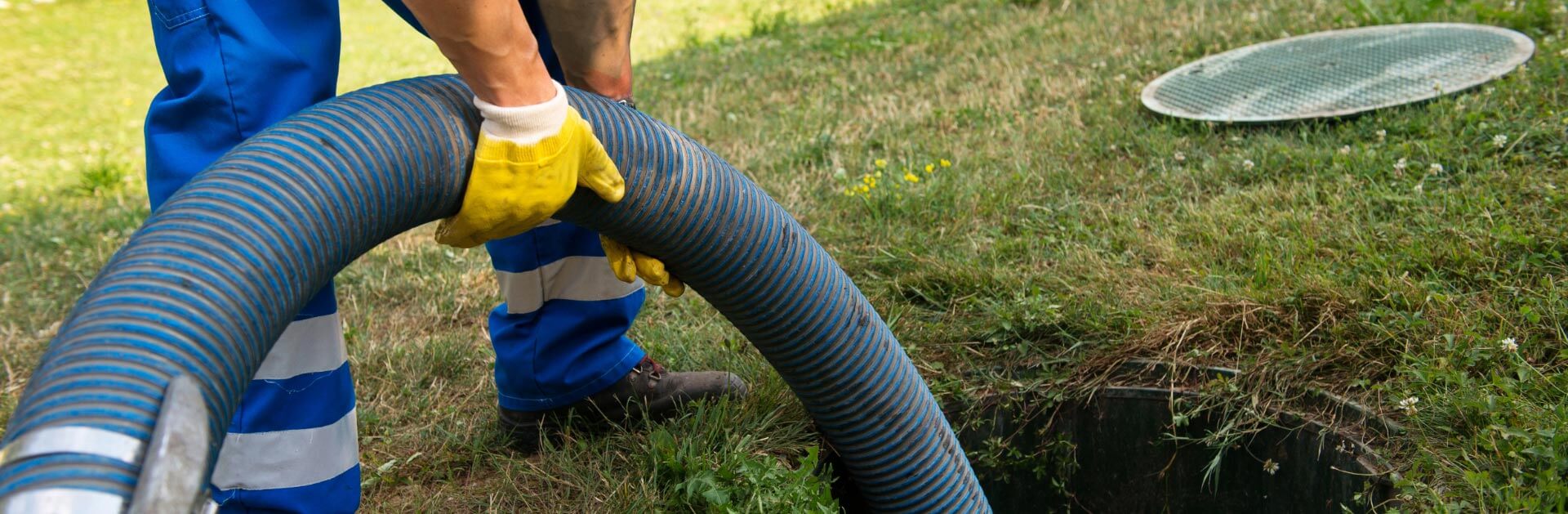
If you can’t remember the last time your septic tank was pumped, now is the perfect time to get it on the calendar. Most septic tanks should be pumped every three to five years, but this timeline varies based on household size, water usage, and tank capacity.
A typical family of four with a 1,000-gallon tank generally needs pumping every three years. Larger households or homes with garbage disposals may need more frequent service. Waiting too long between pumpings allows sludge to build up on the tank bottom and scum to accumulate at the top. When these layers get too thick, solid waste can escape into your drain field, causing clogs that lead to expensive repairs or even complete system failure.
Starting the year with a freshly pumped tank gives you peace of mind and creates a clean slate for the months ahead. It also provides an opportunity for a technician to inspect your tank for cracks, leaks, or other developing problems while it’s empty and accessible.
Resolution #2: Know What Goes Down the Drain
One of the simplest ways to extend your septic system’s life is controlling what enters it. Your septic tank relies on naturally occurring bacteria to break down waste. Certain household products can kill these beneficial bacteria or create clogs that disrupt the entire system.
Items to keep out of your drains include:
- Cooking Grease and Oils: These substances solidify as they cool, coating pipes and creating stubborn blockages that slow drainage
- “Flushable” Wipes: Despite their marketing, these wipes don’t break down like toilet paper and accumulate in your tank
- Feminine Hygiene Products: These items don’t decompose and take up valuable space in your tank
- Coffee Grounds: These sink to the bottom and add to the sludge layer
- Medications: Antibiotics and other drugs can destroy the bacteria your system needs
- Harsh Chemical Cleaners: Bleach and antibacterial products harm the biological balance in your tank
Consider placing a small trash can in each bathroom to encourage proper disposal of non-flushable items. Educating everyone in your household about septic-safe practices makes a significant difference in system longevity.
Resolution #3: Watch Your Water Usage
Every drop of water that goes down your drains ends up in your septic tank. Overwhelming your system with too much water at once prevents proper settling and treatment, potentially pushing solids into your drain field before they’re broken down.
Simple changes can dramatically reduce stress on your system:
- Space Out Laundry: Instead of marathon laundry sessions, spread loads throughout the week
- Fix Leaks Promptly: A running toilet can waste hundreds of gallons daily, flooding your system unnecessarily
- Take Shorter Showers: Even reducing shower time by a few minutes adds up over months
- Run Full Loads: Wait until your dishwasher and washing machine are full before running them
- Upgrade to Efficient Fixtures: Low-flow toilets and showerheads reduce water entering your system without sacrificing performance
Paying attention to water usage becomes especially important when you have guests. Holiday gatherings and extended family visits can double or triple your normal water consumption, putting unexpected strain on your septic system.
Resolution #4: Protect Your Drain Field
Your drain field is just as important as your septic tank, yet many homeowners forget it exists until problems arise. This underground network of perforated pipes disperses treated wastewater into the surrounding soil, where final purification occurs naturally.
Protecting your drain field starts with knowing its location. If you’re unsure where yours is, a septic professional can help you locate and mark the boundaries. Once you know where it is, follow these guidelines:
- Never Park or Drive Over It: Vehicle weight compacts the soil, reducing its ability to absorb and filter wastewater
- Avoid Planting Trees Nearby: Tree roots seek out moisture and can infiltrate and damage drain lines
- Keep It Clear: Don’t build patios, sheds, or other structures over the drain field
- Direct Water Away: Ensure roof gutters and sump pumps discharge away from the drain field area
- Maintain Grass Cover: Grass helps with evaporation and prevents erosion without deep root interference
Signs of drain field trouble include soggy areas, unusually green grass patches, or sewage odors in your yard. Addressing these warning signs early can prevent catastrophic failures that require complete drain field replacement.
Resolution #5: Get an Annual Inspection
You wouldn’t skip annual checkups for your car or your own health, and your septic system deserves the same attention. Professional inspections catch small problems before they become expensive emergencies.
During an inspection, a technician checks sludge and scum levels in your tank, examines the tank structure for cracks or damage, and evaluates drain field performance. They can also assess whether your current pumping schedule matches your household’s actual usage patterns.
For homes in Cartersville and throughout North Georgia, scheduling inspections in early spring or late fall often works well. These shoulder seasons typically offer more scheduling flexibility and allow you to address any issues before peak usage periods.
If you’re buying or selling a home with a septic system, an inspection becomes even more critical. Many lenders require septic inspections before approving mortgages, and having documentation of a well-maintained system can make real estate transactions smoother.
Start Your Year Right With Metro Septic
Making these resolutions is the easy part. Following through requires a reliable partner who understands the unique needs of North Georgia septic systems. Since 2005, Metro Septic has been helping homeowners in Cartersville and the greater Atlanta area keep their septic systems healthy and efficient.
As a family-owned company, we take pride in treating every customer’s septic tank as if it were our own. Our licensed technicians bring over 25 years of combined experience to every job, providing honest assessments and flat-rate pricing with no hidden fees or surprise charges.
Whether you need routine pumping, a comprehensive inspection, or help addressing a developing problem, Metro Septic delivers the prompt, professional service you deserve. Contact Metro Septic today at (678) 873-7934 to schedule your first septic service of 2026 and start the new year with confidence that your system is ready for whatever comes next.