
April in North Georgia brings blooming dogwoods, warmer temperatures, and plenty of rain. While those spring showers are great for your lawn and garden, they can create real challenges for your septic system. Understanding how heavy rainfall affects your drain field helps you protect your system during one of the wettest times of the year.
Many Cartersville homeowners don’t realize that their septic system’s performance is directly tied to soil conditions. When April storms saturate the ground around your property, your drain field loses its ability to do its job effectively. Knowing what to watch for and how to respond can mean the difference between a minor inconvenience and a costly emergency repair.
How Your Drain Field Works Under Normal Conditions
Your septic system relies on a carefully designed process to treat household wastewater. After solids settle in your septic tank, the liquid effluent flows into your drain field, where it slowly percolates through layers of soil. This soil acts as a natural filter, removing harmful bacteria, viruses, and nutrients before the water eventually rejoins the groundwater table.
This process depends on having adequate space in the soil to absorb and filter the effluent. The tiny air pockets between soil particles allow wastewater to move downward while beneficial bacteria break down remaining contaminants. When everything works properly, your drain field handles hundreds of gallons daily without any visible signs of activity on the surface.
What Happens When Heavy Rain Saturates the Soil
Spring storms change this equation dramatically. When rain saturates the ground, those crucial air pockets fill with water instead. Your drain field essentially becomes waterlogged, leaving nowhere for the effluent from your septic tank to go.
Think of it like a sponge that’s already soaking wet. No matter how much more water you try to add, it simply can’t absorb any more. Your drain field faces the same limitation during periods of heavy rainfall. The treated wastewater backs up because the saturated soil cannot accept additional liquid.
This backup creates a chain reaction throughout your septic system. When the drain field can’t absorb effluent, the distribution box fills up. When the distribution box is full, liquid backs up into the septic tank. When the tank has nowhere to send its liquid, wastewater can back up into your home through the lowest drains—typically basement floor drains or ground-level showers.
Warning Signs During Rainy Periods
Recognizing early warning signs helps you take action before a full backup occurs. During and after heavy spring rains, watch for these indicators that your system is struggling:
- Slow Drains Throughout the House: When multiple fixtures drain slowly at the same time, the problem likely involves your septic system rather than individual clogs. This often worsens during or immediately after rainstorms.
- Gurgling Sounds in Pipes: Air trapped in your plumbing system creates gurgling noises when drains are used. These sounds often indicate that wastewater isn’t flowing freely through the system.
- Wet or Soggy Areas Near the Drain Field: Standing water or unusually soft ground over your drain field suggests the system is overwhelmed. You might also notice a sewage odor in these areas.
- Sewage Odors Inside or Outside: Unpleasant smells near drains, in your yard, or around the septic tank area indicate that wastewater isn’t being processed properly.
- Toilets That Flush Slowly or Incompletely: When the system backs up, toilets often show problems first because they send the largest volume of water at once.
Protecting Your System During Spring Storms
You can’t control the weather, but you can take steps to minimize stress on your septic system during rainy periods. These practical strategies help your system cope with April’s challenging conditions.
- Reduce Water Usage During Heavy Rain: When storms are forecasted or actively occurring, limit water-intensive activities. Postpone laundry, take shorter showers, and avoid running the dishwasher until the ground has time to drain. Every gallon you don’t send into the system gives your drain field more capacity to handle the situation.
- Space Out Water Usage: Rather than doing multiple loads of laundry back-to-back, spread them throughout the week. This allows your system recovery time between heavy usage periods. The same principle applies to showers—if you have multiple family members, stagger shower times rather than having everyone bathe within an hour.
- Fix Leaky Fixtures Promptly: A dripping faucet or running toilet adds hundreds of gallons to your septic system monthly. During wet weather, this extra load compounds the strain your system already faces from saturated soil conditions.
- Redirect Surface Water Away From the Drain Field: Ensure that gutters, downspouts, and surface drainage direct rainwater away from your septic system components. Water pooling over your drain field makes saturation worse and prolongs recovery time after storms pass.
- Avoid Driving or Parking Over the Drain Field: Wet soil compacts easily under weight. Vehicles or heavy equipment on your drain field during rainy periods can permanently damage the soil structure that your system depends on for proper function.
The Importance of Pre-Spring Pumping
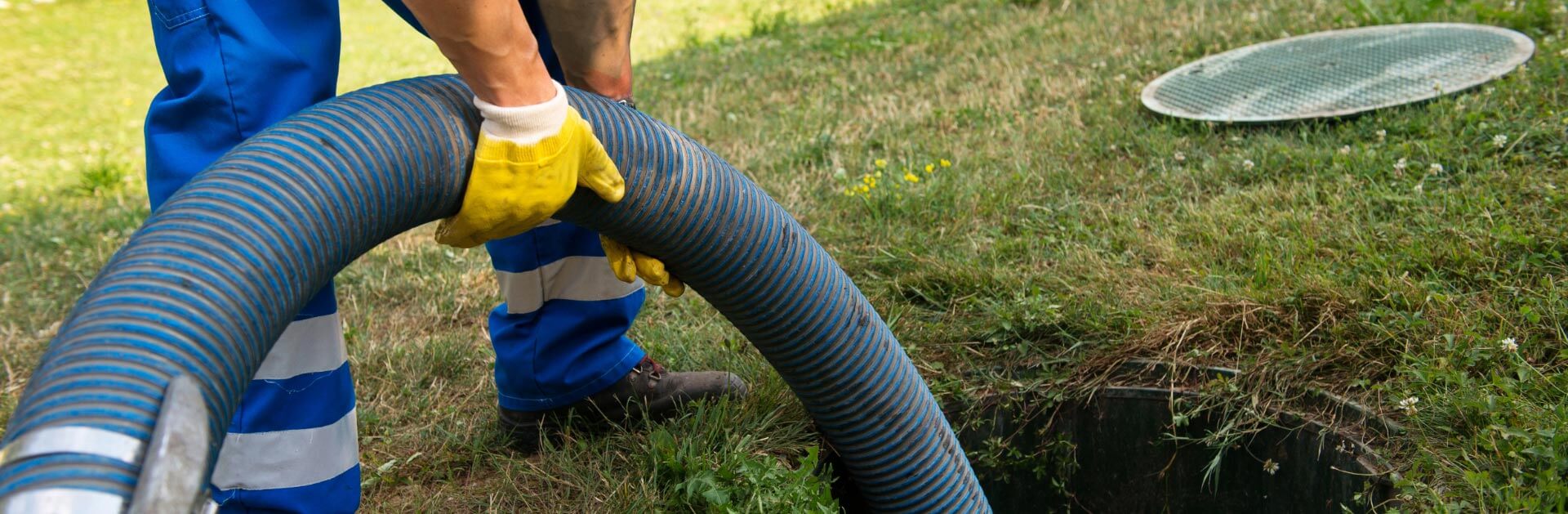
Scheduling septic tank pumping before the rainy season provides your system with maximum capacity to handle challenging conditions. A tank that’s already approaching full has no buffer when drainage slows during wet weather.
Professional pumping removes accumulated solids and gives your tank the space it needs to continue accepting household wastewater even when the drain field is temporarily overwhelmed. Most systems benefit from pumping every three to five years, but homes with smaller tanks or larger families may need more frequent service.
Spring pumping also provides an opportunity for professional inspection. Technicians can check baffles, evaluate sludge levels, and identify any developing problems before they become emergencies. This proactive approach costs far less than emergency repairs during a system failure.
When to Call for Professional Help
Some situations require professional intervention rather than waiting for conditions to improve naturally. Contact a septic professional if you experience any of the following:
- Sewage backing up into your home through any drain
- Persistent sewage odors that don’t improve as weather dries
- Standing water over the drain field that remains for more than a day after rain stops
- Multiple drains that won’t clear despite reduced water usage
These symptoms suggest problems beyond temporary saturation and may indicate damage to system components or failure requiring repair.
Schedule Your Spring Septic Service With Metro Septic
Don’t let April showers turn into a septic emergency. Metro Septic has served Cartersville and the greater Atlanta area since 2005, helping homeowners protect their septic systems through every season. Our licensed technicians understand how North Georgia’s clay soils and weather patterns affect septic performance and can recommend the right maintenance schedule for your property.
Whether you need pre-spring pumping, a comprehensive inspection, or help addressing drainage concerns, Metro Septic delivers honest assessments and flat-rate pricing with no hidden fees. We treat your septic system as if it were our own.
Contact Metro Septic today at (678) 873-7934 to schedule service. We proudly serve homeowners throughout Cartersville, Kennesaw, Marietta, Woodstock, Canton, Acworth, Alpharetta, and communities across North Georgia.