
Congratulations on your new home! If you’ve recently purchased a property in Cartersville or the surrounding North Georgia area, there’s a good chance your house relies on a septic system rather than municipal sewer service. For many first-time septic owners, this underground wastewater treatment system feels mysterious and maybe a little intimidating.
The good news is that septic systems are far simpler than they seem. More than one in five American households depend on septic systems, and with basic knowledge and minimal maintenance, yours will quietly handle your family’s wastewater for decades. Think of your septic system as a small, self-contained treatment facility working around the clock in your backyard.
Here’s everything you need to know to confidently care for your new septic system from day one.
How Your Septic System Actually Works
Understanding the basics helps you make smart decisions about daily habits and maintenance scheduling. Your septic system has two main components: the tank and the drain field.
When you flush a toilet, run the dishwasher, or take a shower, all that wastewater flows through your home’s plumbing into the buried septic tank. Inside this watertight container—typically made of concrete, fiberglass, or polyethylene—nature takes over.
Wastewater naturally separates into three layers. Heavy solids sink to the bottom, forming a layer called sludge. Fats, oils, and lighter materials float to the top as scum. The middle layer of relatively clear liquid, called effluent, flows out through an outlet pipe into your drain field.
The drain field consists of perforated pipes buried in gravel-filled trenches across a designated area of your yard. As effluent trickles through these pipes and into the surrounding soil, bacteria and natural filtration remove remaining contaminants before the water rejoins the groundwater supply.
Beneficial bacteria inside your tank continuously break down organic waste, reducing the volume of solids over time. This biological process is why septic systems work so reliably with minimal intervention—and why protecting those bacteria matters.
Find Out What You’re Working With
Before you can properly maintain your system, you need some basic information. If the previous owners didn’t provide documentation, now is the time to gather these details.
Locate Your System Components
Knowing where your septic tank and drain field are located prevents accidental damage and ensures service technicians can access the system efficiently. Check your closing documents for a site map or “as-built” drawing showing component locations. If none exists, your local health department may have records on file, or a septic professional can help locate the tank using specialized equipment.
Walk your property and look for clues. Septic tank lids sometimes create slight depressions or mounds in the lawn. Drain fields often appear as rectangular areas where grass grows slightly differently than surrounding turf.
Learn Your Tank’s Size and Age
Tank capacity, typically measured in gallons, directly affects how frequently you’ll need pumping service. A 1,000-gallon tank serving a family of four fills faster than a 1,500-gallon tank with the same usage. Ask the previous owners, check permit records, or have a technician measure during your first service visit.
The system’s age matters too. Well-maintained septic systems can last 25 to 40 years, but older systems may need more frequent monitoring. Knowing when yours was installed helps you plan for the future.
Review Maintenance History
Request any available records of past pumping, inspections, or repairs. This history tells you when the tank was last serviced and whether any problems have occurred. If no records exist, scheduling an inspection soon after moving in establishes a baseline for future maintenance.
Establish a Maintenance Schedule
Regular professional service is the single most important thing you can do to extend your system’s life and avoid expensive emergencies. The investment is minimal compared to replacement costs.
Plan for Regular Pumping
Septic tanks need periodic pumping to remove accumulated sludge and scum that bacteria can’t fully break down. Most households should pump every three to five years, though the ideal frequency depends on tank size, household size, and water usage patterns.
A family of two with a large tank might go five years between pumpings. A family of five with a smaller tank might need service every two to three years. Your septic technician can assess sludge levels during each service and recommend an appropriate schedule for your specific situation.
Schedule Inspections
Even between pumpings, periodic inspections catch developing problems early. Technicians check for cracks, leaks, baffle condition, and proper flow patterns. Many homeowners combine inspections with pumping visits for efficiency.
If your system includes mechanical components like pumps, alarms, or aerators, these require more frequent attention—typically annual inspections to ensure everything functions correctly.
Daily Habits That Protect Your System
Your everyday choices significantly impact how well your septic system performs. Small adjustments prevent problems that no amount of professional service can fix.
Watch What Goes Down the Drain
Your septic tank depends on bacterial activity to break down waste. Introducing the wrong substances kills those beneficial bacteria or creates clogs that disrupt the entire system.
Never put these items down drains or toilets:
- Grease and Cooking Oils: They solidify in pipes and tanks, creating stubborn blockages
- “Flushable” Wipes: Despite marketing claims, they don’t break down and accumulate in your tank
- Feminine Hygiene Products: These don’t decompose and take up valuable tank capacity
- Harsh Chemicals: Bleach, drain cleaners, and antibacterial products harm essential bacteria
- Medications: Antibiotics and other drugs disrupt the biological balance in your tank
- Coffee Grounds and Food Scraps: These add unnecessary solids to your system
Stick to human waste and toilet paper in toilets. Use drain strainers in sinks to catch food particles and hair before they enter your plumbing.
Manage Water Usage
Every gallon that goes down your drains ends up in your septic tank. Flooding the system with too much water at once prevents proper settling and can push solids into your drain field before they’re adequately broken down.
Spread water-intensive activities throughout the week rather than concentrating them. Instead of multiple back-to-back laundry loads on Saturday, do one load per day. Fix leaky faucets and running toilets promptly—these seemingly minor issues can send hundreds of extra gallons into your system weekly.
Consider installing low-flow fixtures if your home doesn’t already have them. High-efficiency toilets, showerheads, and faucet aerators reduce water consumption without sacrificing comfort.
Be Careful With Garbage Disposals
If your kitchen has a garbage disposal, use it sparingly. Food waste significantly increases the solid material entering your tank, potentially requiring more frequent pumping. Composting food scraps or simply throwing them in the trash keeps this extra load out of your septic system.
Protect Your Drain Field
The drain field is often the most expensive component to repair or replace. Simple precautions keep it functioning properly for decades.
Never Drive or Park on It
Vehicle weight compacts the soil above your drain field, reducing its ability to absorb and filter effluent. Even occasional driving across the area causes damage. Mark the boundaries mentally and keep all vehicles, including riding mowers and ATVs, well clear.
Mind Your Landscaping
Grass is the ideal ground cover for drain fields—its shallow roots help with evaporation without interfering with underground pipes. Avoid planting trees, shrubs, or deep-rooted plants anywhere near the drain field. Tree roots actively seek moisture and will infiltrate and damage drain lines.
Don’t build structures like patios, sheds, or decks over any part of your septic system. These prevent necessary access and can damage buried components.
Direct Water Away
Ensure roof gutters, sump pumps, and yard drainage direct water away from your drain field. Excess surface water saturates the soil, preventing it from absorbing septic effluent and potentially causing system failure.
Know When to Call for Help
Even well-maintained systems occasionally develop problems. Recognizing early warning signs helps you address issues before they become emergencies.
Contact a septic professional if you notice:
- Multiple drains throughout the house draining slowly simultaneously
- Gurgling sounds from pipes when using fixtures
- Sewage odors inside your home or in your yard
- Wet, soggy areas or standing water near the tank or drain field
- Unusually green or lush grass over the drain field
- Any sewage backing up into your home
These symptoms suggest your system needs attention. Catching problems early typically means simpler, less expensive solutions.
Your First Service Call
If you didn’t receive clear maintenance records from the previous owners, scheduling an inspection and possible pumping soon after moving in makes sense. This establishes where things stand and gives you a professional assessment of your specific system.
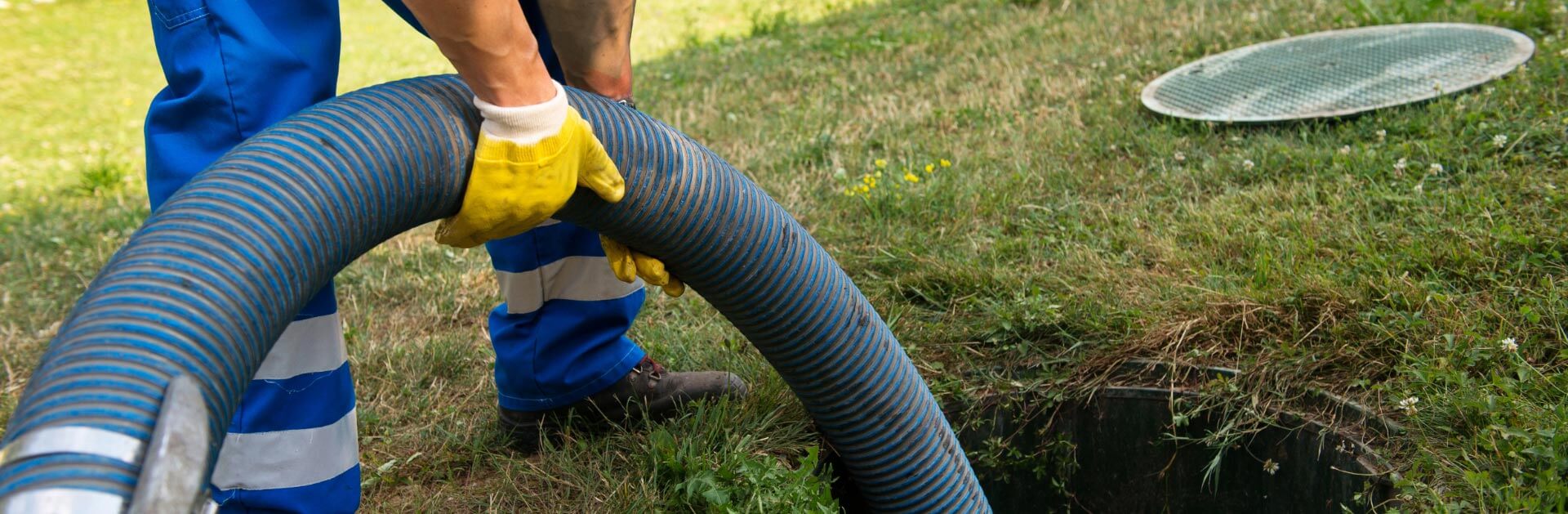
A reputable septic company will locate and uncover your tank, assess sludge and scum levels, check components for damage, and provide recommendations tailored to your household. They can answer questions about your particular system and help you develop an appropriate maintenance schedule going forward.
Partner With Metro Septic for Peace of Mind
Understanding your septic system removes the mystery and gives you confidence in caring for one of your home’s most essential systems. With basic knowledge and consistent maintenance, you’ll enjoy reliable service for years to come.
Metro Septic has been helping Cartersville and North Georgia homeowners understand and maintain their septic systems since 2005. As a family-owned company, we take time to educate customers—not just service systems. Our licensed technicians bring over 25 years of combined experience to every job, providing honest assessments and practical guidance.
Whether you need your first inspection, have questions about your new system, or want to establish a maintenance schedule, Metro Septic delivers the prompt, professional service you deserve. We offer flat-rate pricing with no hidden fees, so you always know what to expect.
New to septic ownership? Contact Metro Septic today at (678) 873-7934 to schedule your first service and start your journey as a confident septic system owner.