
Spring marks the beginning of prime real estate season across North Georgia. As temperatures warm and buyers start house hunting, homeowners in Cartersville and surrounding communities begin preparing their properties for sale. If your home has a septic system, one critical step often gets overlooked until it threatens to derail a sale: the septic inspection.
Understanding what septic inspections involve, why they matter, and how to prepare can mean the difference between a smooth closing and a deal that falls apart at the last minute. Whether you’re selling, buying, or simply want to understand your system better, this guide covers everything North Georgia homeowners need to know.
Why Septic Inspections Matter in Real Estate Transactions
Many home buyers—especially those relocating from areas with municipal sewer systems—don’t fully understand septic systems or the responsibilities that come with ownership. Lenders and buyers alike want assurance that the septic system functions properly and won’t require immediate expensive repairs.
A failed septic system can cost anywhere from a few hundred dollars for minor repairs to $15,000 or more for complete drain field replacement. No buyer wants to discover these costs after closing, and no seller wants a deal to collapse over preventable septic issues. Professional inspection protects both parties by documenting system condition before the transaction closes.
In Georgia, sellers aren’t legally required to have septic inspections performed before listing their homes. However, buyers frequently request inspections as a condition of purchase, and many lenders require them before approving mortgages. Having a recent inspection report ready demonstrates transparency and builds buyer confidence.
What Happens During a Professional Septic Inspection
A comprehensive septic inspection evaluates all accessible components of your system to assess current condition and identify potential problems. Understanding what inspectors look for helps you prepare and interpret their findings.
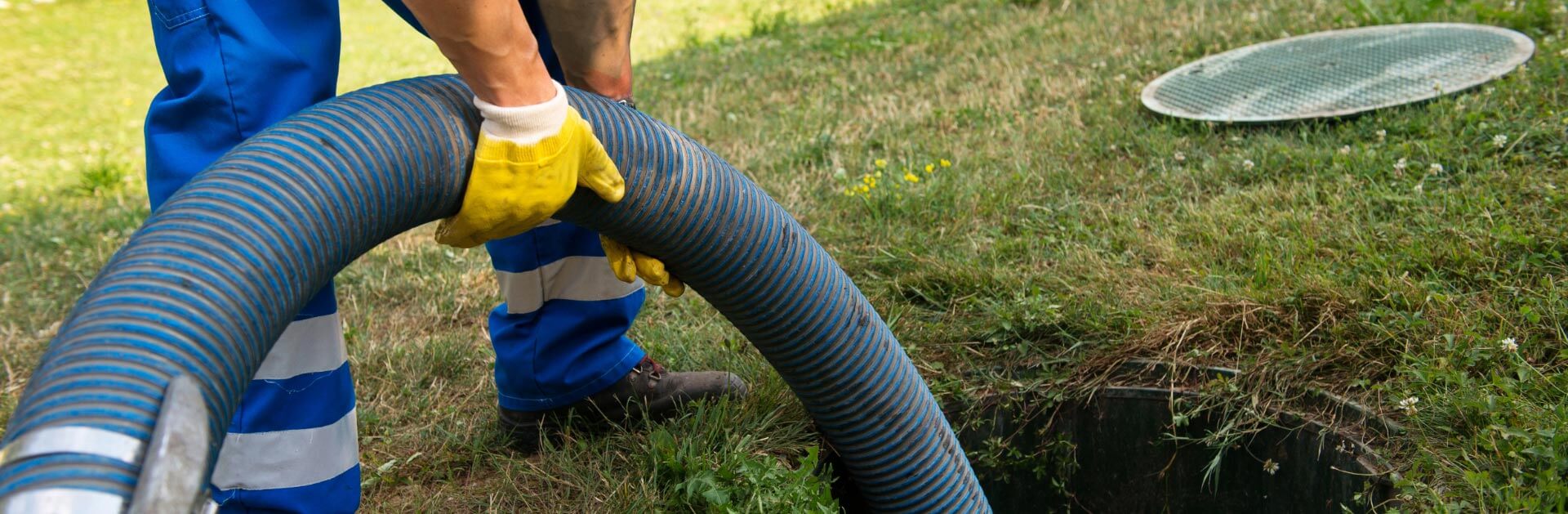
- Tank Location and Access: Inspectors first locate your septic tank and access ports. If your tank lids are buried, you may need to have them uncovered before the inspection. Some inspectors offer this service, while others require homeowners to expose access points in advance.
- Tank Condition Assessment: Once accessed, inspectors examine the tank’s structural integrity, checking for cracks, deterioration, or damage that could allow groundwater infiltration or sewage leakage. They also verify that inlet and outlet baffles are intact and functioning properly.
- Sludge and Scum Measurement: Using specialized tools, inspectors measure the depth of sludge (settled solids on the tank bottom) and scum (floating materials on top). These measurements indicate whether the tank needs pumping and help establish appropriate maintenance intervals.
- Effluent Filter Check: Tanks installed after 2000 in Georgia are required to have effluent filters. Inspectors verify filter presence, check for clogs, and assess whether cleaning or replacement is needed.
- Distribution Box Evaluation: The distribution box divides effluent flow among drain field lines. Inspectors check for proper leveling, structural damage, and signs of backup or overflow.
- Drain Field Assessment: While inspectors cannot see inside buried drain field pipes, they evaluate surface conditions for signs of failure—including wet areas, odors, or unusually lush vegetation that might indicate leaking effluent.
- Flow Test: Many inspections include running water in the home to verify that wastewater flows properly from the house through the system. This test can reveal blockages or capacity issues that might not be apparent from visual inspection alone.
Common Issues That Affect Home Sales
Certain septic problems frequently surface during pre-sale inspections. Knowing what issues commonly arise helps sellers address them proactively rather than facing surprises during negotiations.
- Overdue Pumping: Tanks with excessive sludge accumulation need pumping before sale. This relatively inexpensive service eliminates a common inspection flag and demonstrates responsible maintenance.
- Damaged or Missing Baffles: Baffles prevent solids from flowing into the drain field. Missing or deteriorated baffles often require repair or replacement, typically costing a few hundred dollars.
- Clogged Effluent Filters: Filters that haven’t been cleaned regularly may be completely blocked, restricting flow and potentially causing backups. Cleaning or replacing the filter resolves this issue quickly.
- Tree Root Intrusion: Roots seeking water can infiltrate septic pipes, causing blockages and damage. Depending on severity, resolution might involve simple root removal or more extensive pipe repair.
- Drain Field Problems: Signs of drain field failure—including surfacing effluent, soggy areas, or strong odors—represent the most serious and expensive issues. Early-stage problems sometimes respond to remediation, while advanced failure may require system replacement.
- Unpermitted Modifications: Previous owners sometimes make changes to septic systems without proper permits. Inspectors note obvious modifications, and buyers may request documentation of any work performed.
Preparing Your Septic System for Sale
Smart sellers address septic concerns before listing their homes. This proactive approach prevents inspection surprises and demonstrates that the property has been well maintained.
- Schedule a Pre-Listing Inspection: Having your own inspection performed before listing allows you to identify and address issues on your terms. You’ll have time to get competitive repair quotes rather than accepting whatever the buyer’s inspector recommends under deadline pressure.
- Pump the Tank: Even if your tank isn’t due for pumping based on your regular schedule, starting with a freshly pumped tank eliminates one potential concern. The pumping receipt also provides documentation of recent maintenance.
- Locate and Expose Tank Lids: If your septic tank access ports are buried, consider installing risers that bring them to ground level. This makes inspection easier and signals to buyers that the system has been properly maintained. At minimum, know where access points are located so inspectors don’t waste time searching.
- Gather Maintenance Records: Documentation of previous pumping, inspections, and repairs demonstrates responsible ownership. Buyers appreciate knowing that the system has received regular attention rather than being neglected.
- Address Known Issues: If you’re aware of any septic problems—slow drains, occasional odors, wet areas in the yard—address them before listing. Issues that seem minor to you may alarm buyers unfamiliar with septic systems.
What Buyers Should Know
If you’re purchasing a home with a septic system, especially for the first time, the inspection process protects your investment and helps you understand your future maintenance responsibilities.
- Always Request an Inspection: Even if not required by your lender, a professional septic inspection is money well spent. The few hundred dollars it costs is insignificant compared to potential repair expenses you might otherwise inherit.
- Attend the Inspection if Possible: Being present allows you to ask questions, see the system’s condition firsthand, and better understand what maintenance will be required. Inspectors can explain how the system works and what to watch for as a new owner.
- Understand What You’re Buying: Ask about tank size, approximate age, pumping history, and recommended maintenance intervals. This information helps you budget for ongoing care and avoid problems.
- Negotiate Repairs When Appropriate: If the inspection reveals issues, you have several options: request that the seller make repairs before closing, negotiate a price reduction to cover anticipated costs, or request a credit at closing. Your real estate agent can advise on the best approach for your situation.
Trust Metro Septic for Your Pre-Sale Inspection
Whether you’re preparing to sell your Cartersville home or purchasing property with a septic system, Metro Septic provides the thorough, professional inspections that real estate transactions demand. Since 2005, we’ve helped countless North Georgia homeowners navigate the septic aspects of buying and selling with confidence.
Our licensed technicians deliver comprehensive evaluations with clear, detailed reports that satisfy lender requirements and give all parties confidence in the system’s condition. We believe in honest assessments—if your system needs work, we’ll tell you exactly what’s required and provide fair, flat-rate pricing for any services.
Contact Metro Septic today at (678) 873-7934 to schedule your pre-sale inspection or buyer’s inspection. We serve homeowners and real estate professionals throughout Cartersville, Kennesaw, Marietta, Woodstock, Canton, Acworth, Alpharetta, Roswell, and communities across North Georgia.