
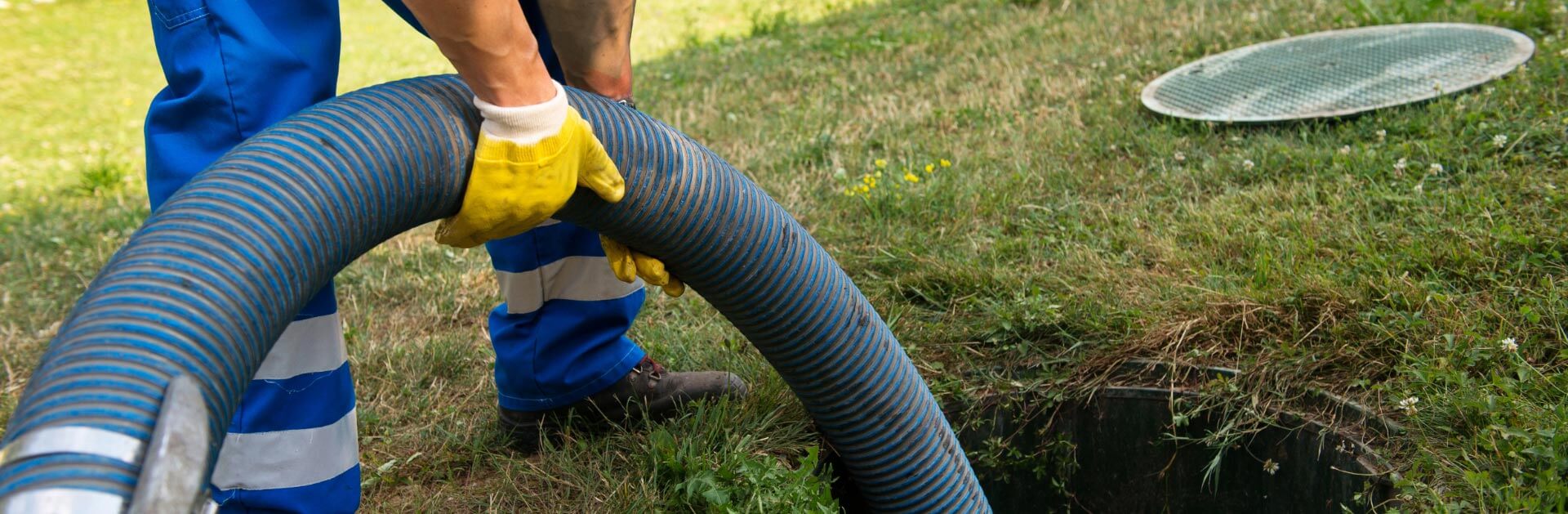

Buried beneath your North Georgia property, your septic tank quietly processes thousands of gallons of wastewater each year. Most homeowners know the basics—waste goes in, gets treated, and effluent flows out to the drain field. But few understand the critical components that make this process work efficiently. Among the most important yet least understood parts of your septic system are the baffles: simple structures that play an outsized role in protecting both your tank and your drain field from premature failure.
At Metro Septic, we’ve served Cartersville and the greater Atlanta area since 2005, and baffle-related issues remain one of the most common problems we encounter during inspections and pumping services. Understanding what baffles do—and recognizing when they need attention—can save you thousands in repairs and extend the life of your entire septic system.
What Exactly Are Septic Tank Baffles?
Baffles are vertical barriers located at the inlet and outlet pipes of your septic tank. Typically made from concrete, PVC, or fiberglass depending on your tank’s age and construction, these structures extend below the liquid surface inside the tank. Though they might look like simple walls or tees, their positioning is precisely engineered to control how waste enters and exits your tank.
Your septic system contains two baffles, each with a distinct purpose:
- Inlet Baffle: Located where the main sewer line from your home enters the tank, this baffle directs incoming wastewater downward into the tank rather than allowing it to flow straight across the surface.
- Outlet Baffle: Positioned at the opposite end where effluent exits toward your drain field, this baffle prevents floating solids from escaping the tank and clogging your drain field lines.
Together, these two components ensure that wastewater receives adequate treatment time in the tank and that only properly clarified liquid moves on to the drain field.
How Baffles Protect Your System
Inside a functioning septic tank, waste naturally separates into three distinct layers. Heavy solids sink to the bottom, forming sludge. Fats, oils, and lighter materials float to the top, creating a scum layer. Between these layers sits the clarified liquid effluent that eventually flows to your drain field.
This separation process requires time and calm conditions—and that’s where baffles become essential.
The Inlet Baffle’s Job
When wastewater rushes into your tank from showers, toilets, and appliances, it enters with significant force. Without an inlet baffle, this incoming flow would create turbulence throughout the tank, stirring up settled solids and disrupting the separation process. The inlet baffle redirects incoming waste downward, dissipating its energy and allowing the tank’s contents to remain stratified.
The inlet baffle also prevents the scum layer from being pushed back toward the inlet pipe, which could cause backups into your home’s plumbing.
The Outlet Baffle’s Critical Role
While the inlet baffle is important, the outlet baffle is truly the last line of defense for your drain field. This component draws effluent from the middle clarified zone of the tank—below the floating scum layer but above the settled sludge. By extending below the liquid surface, it creates a barrier that prevents floating solids from escaping with the outgoing effluent.
If scum or sludge particles reach your drain field, they clog the soil pores that allow effluent to percolate into the ground. Once a drain field becomes clogged, it often requires expensive replacement—a repair that can cost North Georgia homeowners anywhere from $5,000 to $15,000 or more depending on system size and soil conditions.
Signs Your Baffles May Be Failing
Baffles don’t last forever. Concrete baffles in older tanks can deteriorate from constant exposure to hydrogen sulfide gases produced during waste decomposition. PVC baffles can crack or become dislodged. Even properly installed baffles may fail after decades of service.
Watch for these warning signs that could indicate baffle problems:
- Slow drains throughout your home: A damaged inlet baffle can cause waste to back up rather than flow smoothly into the tank.
- Sewage odors near your tank or drain field: When baffles fail, gases that should remain contained can escape through improper channels.
- Unusually lush grass over your drain field: This often indicates that solids are reaching the drain field, providing extra “fertilizer” as they clog the system.
- Standing water or soggy soil near the drain field: Failed outlet baffles allow solids to escape, eventually overwhelming the drain field’s absorption capacity.
- Frequent pumping needs: If your tank requires pumping more often than the typical three-to-five-year cycle, baffles may not be controlling waste flow properly.
What Happens During a Baffle Inspection
During routine septic pumping, our technicians at Metro Septic always inspect both baffles as part of our comprehensive service. This inspection involves:
- Visual Assessment: Once the tank is pumped, we can clearly see both baffles and assess their physical condition. We look for cracks, deterioration, displacement, or complete absence in older systems where baffles may have disintegrated over time.
- Structural Integrity Check: We verify that baffles are firmly attached and positioned correctly. A baffle that has shifted even slightly may not function as designed.
- Blockage Evaluation: Sometimes baffles become partially blocked by accumulated debris, reducing their effectiveness without complete failure.
- Documentation: We note baffle condition in our service records, allowing us to track deterioration over time and recommend replacement before complete failure occurs.
For homeowners purchasing property with an existing septic system, baffle inspection should be a priority. Our camera inspection services can provide detailed views of baffle condition even when pumping isn’t immediately necessary.
Baffle Repair and Replacement Options
When we identify baffle problems, several solutions exist depending on the situation:
- Tee Baffle Installation: For tanks with missing or severely deteriorated baffles, we can install modern PVC sanitary tees. These durable replacements provide excellent protection and typically last longer than original concrete baffles.
- Effluent Filters: In addition to or instead of traditional outlet baffles, we can install effluent filters. These devices add an extra layer of protection by physically screening solids from outgoing effluent. Effluent filters require periodic cleaning—typically during regular pumping—but provide superior drain field protection.
- Complete Baffle Reconstruction: In some cases, particularly with older concrete tanks, we may recommend more extensive baffle reconstruction to ensure proper function.
The cost of baffle repair or replacement is minimal compared to the expense of drain field failure. Addressing baffle issues proactively represents one of the smartest investments you can make in your septic system’s longevity.
Protecting Your Baffles Through Proper Maintenance
While baffles will eventually wear out regardless of how carefully you maintain your system, certain practices can extend their functional life:
- Schedule Regular Pumping: When sludge and scum layers build up excessively, they place additional stress on baffles. Pumping every three to five years—or more frequently for larger households—keeps waste levels manageable.
- Avoid Harsh Chemicals: Caustic drain cleaners and excessive use of antibacterial products can accelerate deterioration of both concrete and PVC components.
- Never Drive Over Your Tank: The weight of vehicles can shift tank components, potentially dislodging or damaging baffles.
- Address Plumbing Issues Promptly: Leaking toilets or faucets increase water flow through your system, creating more turbulence and wear on baffles.
Schedule Your Septic Inspection with Metro Septic
Your septic tank’s baffles work silently day after day, protecting your system from the kind of failures that lead to expensive repairs and unpleasant surprises. Understanding their function helps you appreciate why regular professional inspections matter—and why choosing a company that thoroughly evaluates every component makes a difference.
At Metro Septic, our licensed technicians don’t just pump tanks; we provide comprehensive assessments that catch problems like baffle deterioration before they become emergencies. Our family-owned company believes in honest, flat-rate pricing and treating your septic system as if it were our own.
Contact Metro Septic today at (678) 873-7934 to schedule your septic pumping and inspection. We proudly serve homeowners throughout Cartersville, Kennesaw, Marietta, Woodstock, Canton, Acworth, and communities across North Georgia. Let us help you protect the unsung heroes of your septic system—before small problems become big headaches.