

Metro Septic understands that homeownership comes with countless expenses competing for your attention and budget. When your septic system is quietly doing its job beneath your yard, it’s tempting to forget about it entirely and redirect that maintenance money toward more exciting projects. After all, if everything’s working fine, why spend money on pumping and inspections?
This thinking is exactly what leads to septic disasters that cost tens of thousands of dollars to repair. The homeowners who skip regular maintenance to save a few hundred dollars today often face catastrophic system failures tomorrow that require complete septic system replacement. The “savings” from neglected maintenance evaporate instantly when you’re facing a $15,000 repair bill and a yard torn apart by excavation equipment.
Understanding the real financial impact of septic system neglect—versus the relatively minimal cost of proper maintenance—makes the choice obvious. Let’s break down the numbers so you can make informed decisions about protecting your Cartersville property’s septic system.
The Affordable Cost of Regular Maintenance
Before examining what neglect costs, let’s establish what proper septic care actually requires financially.
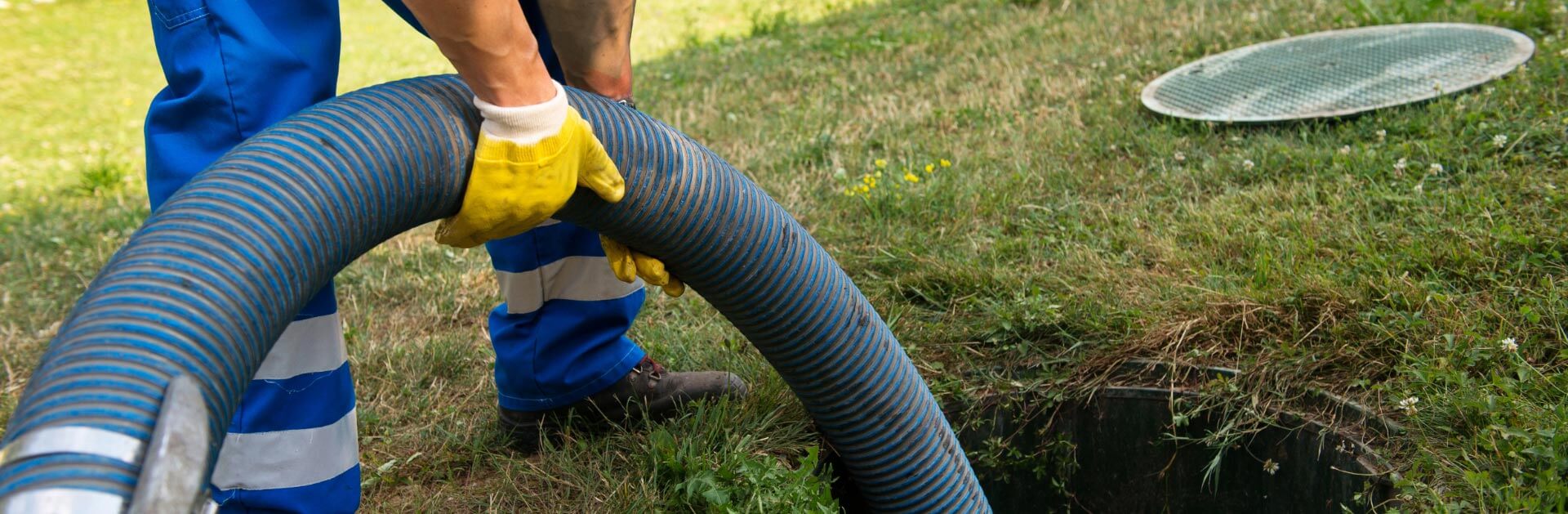
- Pumping Every 3-5 Years: Most residential septic tanks need pumping every three to five years, depending on household size and water usage. A typical pumping service costs a few hundred dollars and takes just a couple of hours. This removes accumulated solids from your tank, preventing them from clogging your drain field and causing system failure.
- Routine Inspections: Professional inspections every few years—often performed during pumping—assess your entire system’s condition. Inspectors check for leaks, examine the drain field, verify proper liquid levels, and identify potential problems before they become emergencies. Inspection costs are minimal compared to what they prevent.
- Simple Repairs When Needed: Regular monitoring catches minor issues like damaged baffles, small cracks, or early drain field problems when repairs are straightforward and affordable. Fixing these small problems costs hundreds rather than thousands, and prevents progression to complete system failure.
- Total Annual Cost Is Minimal: When you calculate the actual annual cost of proper septic maintenance—spreading pumping and inspection costs across the years between services—it amounts to less than most people spend monthly on streaming services or coffee. This minimal investment protects an asset worth $15,000 to $30,000 or more.
What Happens When Septic Tanks Aren’t Pumped
Skipping regular pumping sets off a chain of events that inevitably leads to system failure and enormous repair costs.
- Solids Accumulate and Overflow: Your septic tank separates solids from liquids, with solids settling at the bottom and forming a sludge layer. When you don’t pump regularly, this sludge layer grows thicker and eventually reaches the outlet pipe. Solids then flow into your drain field—an area designed to handle only clarified liquid.
- Drain Field Clogging Begins: When solids enter your drain field, they clog the soil’s pores that normally allow liquid absorption and filtration. This process is called biomat failure, and it’s essentially irreversible. Once your drain field’s soil structure is compromised by solids, the field can no longer function properly.
- System Backup and Failure: As your drain field clogs, wastewater has nowhere to go. It backs up into your house through toilets and drains, or it surfaces in your yard creating sewage pools. At this point, your septic system has failed, and the damage is extensive.
- Drain Field Replacement Costs $10,000-$30,000: Installing a new drain field requires extensive excavation, new piping and distribution systems, and large amounts of gravel and soil. Depending on your property’s size, soil conditions, and local regulations, drain field replacement in the Cartersville area typically costs between $10,000 and $30,000. This assumes your property even has space for a replacement field—some lots don’t, creating even more serious problems.
The Compounding Costs of Emergency Repairs
When septic problems reach crisis levels, the costs multiply far beyond just the repairs themselves.
- Emergency Service Premiums: Septic emergencies don’t wait for business hours. When your system backs up on a weekend, holiday, or middle of the night, you’re calling for emergency service. Emergency rates typically run 150-300% of normal pricing, and you have no choice but to pay them because you can’t use your plumbing without creating additional damage.
- Property Damage From Sewage: Sewage backup inside your home destroys flooring, baseboards, drywall, and any belongings it contacts. Professional sewage cleanup and sanitization services cost thousands of dollars, and many items must simply be discarded. Your homeowner’s insurance might cover some damage, but most policies exclude damage resulting from poor maintenance.
- Temporary Housing Expenses: When your home experiences significant sewage backup, it may be uninhabitable until cleanup and repairs are complete. Hotels, rental properties, or staying with relatives for days or weeks adds substantial costs on top of the repair expenses.
- Lost Work and Disruption: Dealing with septic emergencies means missing work, coordinating with multiple service providers, supervising repairs, and managing the chaos of major home issues. The financial and personal costs of this disruption far exceed what you’d spend on preventive maintenance.
- Landscaping Restoration: Major septic repairs require excavating significant portions of your yard. After repairs are complete, you’re left with destroyed landscaping—torn up grass, damaged trees and shrubs, displaced mulch and decorative features, and compacted soil. Restoring your yard to its previous condition can easily cost several thousand additional dollars.
Health Risks Create Hidden Costs
Septic system failures don’t just damage your property—they create serious health hazards that carry their own costs.
- Exposure to Disease-Causing Pathogens: Raw sewage contains bacteria, viruses, and parasites that cause serious illnesses. Exposure through direct contact or breathing contaminated air can lead to gastroenteritis, hepatitis, respiratory infections, and other diseases requiring medical treatment.
- Well Water Contamination: For properties with wells, failing septic systems can contaminate drinking water with nitrates, bacteria, and other harmful substances. You’ll need to immediately switch to bottled water for drinking and cooking, then invest in water treatment systems or even drill a new well in a different location.
- Environmental Liability: Septic failures that contaminate groundwater or surface water can result in environmental violations and associated fines. In severe cases, you might face liability for contaminating neighbors’ properties or public water sources.
- Decreased Property Values: Even after repairs, properties with documented septic failures often sell for less than comparable properties with clean septic histories. Future buyers and their inspectors will discover the past problems, using them to negotiate lower prices or demanding extensive warranties.
Complete System Replacement: The Ultimate Cost
When septic systems are neglected long enough, repair becomes impossible and complete replacement becomes necessary.
- Full System Replacement Runs $15,000-$50,000: Replacing an entire septic system—tank, distribution box, drain field, and all associated components—represents one of the most expensive home repairs possible. Costs vary based on property size, soil conditions, system type, and local requirements, but most Cartersville homeowners face bills between $15,000 and $50,000 for complete replacement.
- Alternative Systems Cost Even More: If your property has challenging soil, limited space, or environmental restrictions, you might need an alternative system like a mound system, aerobic treatment unit, or other engineered solution. These specialized systems can cost $25,000 to $50,000 or more.
- Some Properties Can’t Support Replacement: The worst-case scenario is discovering your property can’t accommodate a replacement septic system due to lot size, soil conditions, or setback requirements that have changed since your original system was installed. This leaves you with extremely limited and expensive options, potentially including connecting to public sewer if available (at enormous cost) or in rare cases, making your property essentially uninhabitable.
- Permits and Regulatory Compliance: Modern septic system installations must meet current regulations, which are typically more stringent than when older systems were installed. Permit fees, engineering requirements, soil testing, percolation tests, and inspections add thousands to replacement costs beyond just the installation itself.
The Math Makes Maintenance a No-Brainer
Let’s put specific numbers to the maintenance versus neglect comparison over a 20-year period.
- Proper Maintenance Costs: Pumping every four years costs roughly $300-400 per service. Over 20 years, that’s five pumping appointments totaling $1,500-2,000. Add periodic inspections and minor repairs as needed, and you might spend $3,000-4,000 total over 20 years maintaining your septic system properly.
- Neglect Costs: A single drain field failure requiring replacement typically costs $15,000-25,000. Factor in emergency service calls, sewage cleanup, temporary housing, landscaping restoration, and property damage, and the total easily reaches $25,000-35,000 or more—and that’s assuming you catch the problem before complete system replacement becomes necessary.
- The Savings Are Dramatic: Proper maintenance costs $3,000-4,000 over 20 years and keeps your system functioning reliably. Neglect costs $25,000-35,000 when things inevitably fail, along with enormous stress and disruption. The financial case for maintenance is overwhelming.
- Every Dollar Spent on Maintenance Saves Ten on Repairs: This isn’t an exaggeration—it’s a realistic ratio for septic systems. The small, regular investments in pumping and inspection prevent catastrophic failures that cost ten times as much or more.
What Proper Maintenance Actually Involves
Understanding what you’re paying for helps you appreciate the value maintenance provides.
- Comprehensive Pumping Service: Professional pumping doesn’t just remove liquid from your tank—it thoroughly evacuates solids, cleans the tank, and inspects internal components. Technicians examine baffles, check for cracks or damage, measure sludge and scum layers, and verify proper function.
- Professional Expertise: Experienced septic professionals spot early warning signs homeowners miss. They notice beginning drain field problems, identify tanks nearing capacity, detect damaged components, and provide guidance on usage patterns that maximize your system’s lifespan.
- Documentation and Records: Professional service providers maintain records of your tank’s pumping history, condition over time, and any repairs performed. This documentation proves invaluable for troubleshooting problems, satisfies requirements for property sales, and helps optimize future maintenance timing.
- Peace of Mind: Perhaps most valuable, proper maintenance provides confidence that your septic system is functioning properly. You’re not wondering if disaster is about to strike—you know your system is healthy and reliable.
Protect Your Investment With Metro Septic in Cartersville
Your septic system represents a significant investment in your property—one that’s expensive to replace but affordable to maintain. The choice between spending a few hundred dollars every few years on maintenance versus tens of thousands on emergency repairs and replacement isn’t really a choice at all.
Metro Septic has helped countless Cartersville homeowners protect their septic systems through regular, affordable maintenance that prevents costly failures. Their experienced team provides thorough pumping, comprehensive inspections, and expert guidance that keeps systems functioning reliably for decades.
Don’t gamble with your septic system hoping it will be fine without maintenance. Contact Metro Septic today to schedule your pumping or inspection and make the smart financial decision that protects your home and your wallet.