Late March in North Georgia means azaleas blooming, warmer temperatures, and—inevitably—the arrival of spring rain season. While those showers bring your lawn back to life after winter, they can wreak havoc on something buried beneath it: your septic system’s drain field. For homeowners throughout Cartersville, Kennesaw, Marietta, and the greater Atlanta area, understanding this seasonal threat can mean the difference between a functioning system and an expensive emergency.
Your drain field handles the final and most critical stage of wastewater treatment. After your septic tank separates solids from liquids, the remaining effluent flows into the drain field, where it percolates through the soil for natural filtration before reaching the groundwater. This process depends entirely on the soil’s ability to absorb and filter that liquid—and that’s exactly where spring rains create problems.
The Perfect Storm: Spring Rain Meets Georgia Clay
North Georgia’s soil composition makes our region particularly vulnerable to drain field problems during wet weather. The red clay soils common throughout Bartow, Cobb, Cherokee, and surrounding counties drain slowly under the best circumstances. When spring storms dump inches of rain over just a few days, that clay becomes saturated quickly and stays waterlogged far longer than sandier soils would.
When the ground around your drain field reaches saturation, there’s simply nowhere for the effluent from your septic tank to go. The soil that normally absorbs and filters wastewater becomes like a wet sponge that can’t take on any more liquid. This backup effect can cause partially treated sewage to rise to the surface of your yard, pool around your drain field, or—in worst-case scenarios—back up into your home through toilets and drains.
The situation intensifies because spring isn’t just about rain—it’s also when the water table rises. Melting from any late winter precipitation combines with spring rainfall to push groundwater levels higher, reducing the separation between your drain field pipes and the water below. This compressed filtration zone means less effective treatment and greater contamination risk.
Warning Signs Your Drain Field Is Struggling
During and after heavy spring rains, your septic system communicates its distress through several recognizable symptoms. Catching these early can prevent minor issues from escalating into major failures:
- Standing water or soggy spots: Puddles forming over or near your drain field area—especially when other parts of your yard have dried out—indicate the soil can’t absorb any more liquid.
- Sewage odors outdoors: That unmistakable smell near your drain field suggests effluent is surfacing rather than filtering properly through the soil.
- Slow drains throughout the house: When multiple fixtures drain slowly at the same time, it often means your entire system is backed up rather than a single clogged pipe.
- Gurgling sounds in plumbing: Air bubbles pushing back through your pipes indicate pressure building somewhere in the system.
- Unusually green or lush grass: While a healthy lawn is normally desirable, grass that’s dramatically greener over your drain field than elsewhere suggests it’s receiving extra “fertilizer” from surfacing effluent.
- Toilets that won’t flush properly: Slow or incomplete flushing during rain events points to a system that’s overwhelmed and can’t accept more wastewater.
How Saturated Soil Damages Your Drain Field
The immediate problem during heavy rain is obvious—your system can’t process wastewater effectively. But the long-term consequences of repeated saturation events can permanently compromise your drain field’s function.
When soil stays waterlogged for extended periods, it loses the oxygen necessary for aerobic bacteria to break down contaminants. These beneficial microorganisms are essential to the treatment process, and without adequate oxygen, they die off. The result is a drain field that treats wastewater less effectively even after the soil dries out.
Repeated flooding can also cause what septic professionals call biomat buildup—a layer of bacterial slime that forms on the soil surface around drain field pipes. While some biomat is normal and even helpful for filtration, excessive buildup from an overworked system can seal off the soil entirely, preventing any absorption regardless of moisture levels.
Additionally, the pressure from saturated soil can physically damage drain field components. Pipes can shift or crack under the weight, and in extreme cases, the added pressure can even cause septic tanks to float out of the ground.
Protecting Your Drain Field During Spring Rain Season
While you can’t control the weather, you can take steps to minimize the impact of spring rains on your septic system:
- Manage surface water strategically. Ensure your gutters and downspouts direct rainwater away from both your septic tank and drain field. Consider installing French drains or regrading areas that funnel water toward your septic system. The goal is keeping as much surface water as possible from adding to the saturation around your drain field.
- Reduce household water usage during heavy rain. When your drain field is struggling with saturated soil, every additional gallon adds to the burden. Space out laundry loads, take shorter showers, and avoid running the dishwasher during significant rainfall.
- Keep the drain field area clear. Never park vehicles, place heavy equipment, or store materials over your drain field. The added weight compacts saturated soil, reducing its ability to absorb water and potentially crushing pipes beneath. This is especially critical when the ground is wet and more susceptible to compaction.
- Maintain proper vegetation. Grass is ideal over your drain field—its roots help absorb excess moisture without penetrating deep enough to damage pipes. Avoid planting trees or deep-rooted shrubs anywhere near the drain field, as their roots will aggressively seek out the moisture in your system and can infiltrate and clog pipes.
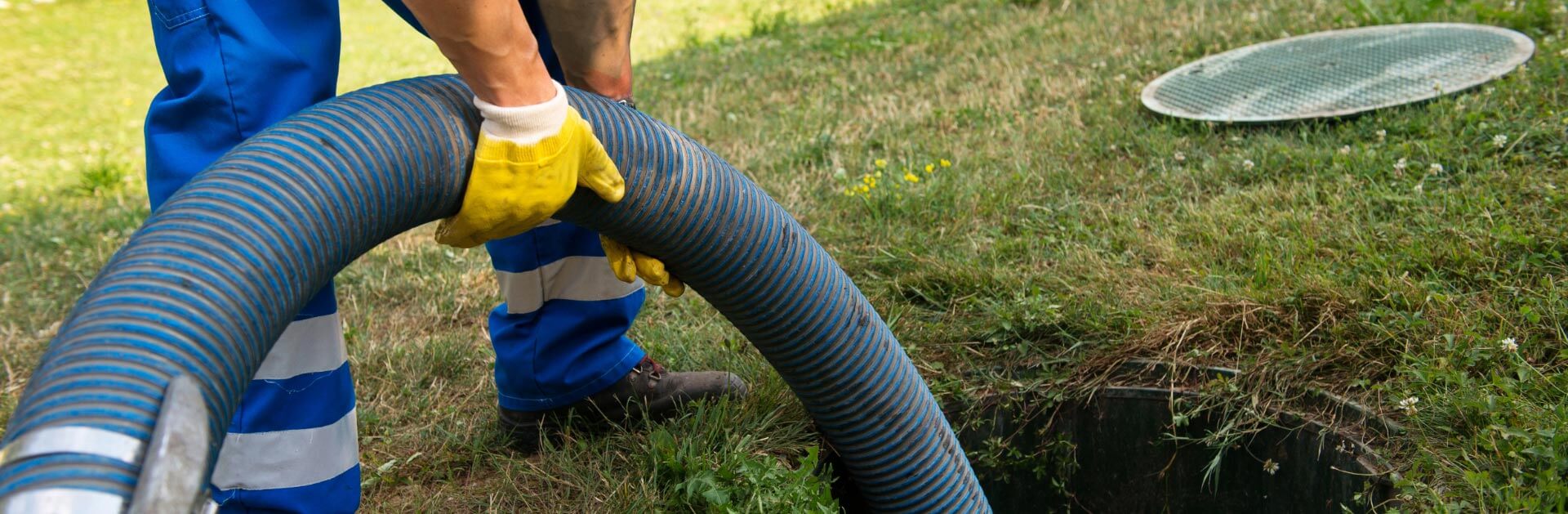
- Pump your tank before spring arrives. A septic tank full of accumulated solids has less capacity to handle increased hydraulic load from spring rains. Having your tank pumped in late winter or early spring gives your system maximum capacity heading into the wettest season.
When DIY Isn’t Enough: Signs You Need Professional Drain Field Repair
Some drain field problems require more than preventive measures. If you’re experiencing any of the following, it’s time to call in the professionals:
- Standing water that persists for days after rain stops
- Sewage backing up into your home
- Odors that don’t dissipate when the weather dries
- Drain field problems that occur even during dry periods
- Visible sinkholes or depressions over the drain field area
- System issues that have gradually worsened over multiple seasons
Professional drain field repair can range from relatively simple interventions—like clearing root intrusions or replacing damaged distribution boxes—to more extensive work like installing additional drain lines or, in severe cases, replacing the entire drain field. The key is addressing problems early before they require the most expensive solutions.
Schedule Your Spring Septic Checkup With Metro Septic
Spring rain season in North Georgia puts unique stress on septic systems, particularly drain fields that must handle both household wastewater and the effects of saturated soil. Metro Septic has served Cartersville and the greater Atlanta area since 2005, helping homeowners protect their systems through every season’s challenges.
Our licensed technicians use state-of-the-art equipment to diagnose drain field problems accurately, whether they’re caused by seasonal saturation, root intrusion, biomat buildup, or component failure. We believe in honest, flat-rate pricing and will always explain your options clearly before beginning any work.
Don’t wait for a minor drainage issue to become a major emergency. If your drain field is showing signs of stress this spring, or if you simply want peace of mind heading into rain season, contact Metro Septic for an inspection.
We proudly serve Cartersville, Kennesaw, Marietta, Acworth, Atlanta, Woodstock, Canton, Rome, Smyrna, and communities throughout North Georgia. Contact us today to schedule your spring septic service.